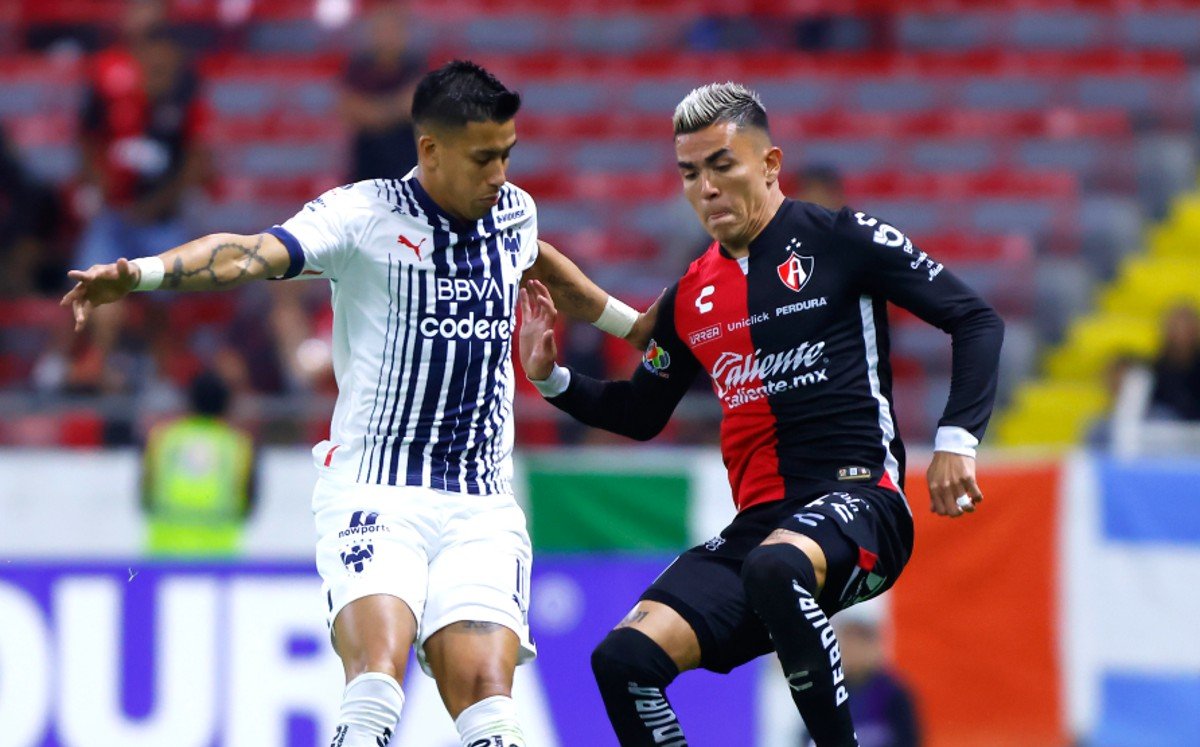
For any dedicated Liga MX fan, few fixtures spark as much debate and anticipation as the clash between Atlas and Monterrey. Whether you're tracking the fierce rivalry from years past or meticulously analyzing every pass and tackle of the upcoming understanding the Liga MX Clausura season, diving deep into Atlas vs. Monterrey Match Previews & Recaps is essential. It’s not just about the final score; it’s about understanding the tactical chess match, the individual brilliance, and the ebb and flow that defines Mexican football at its highest level.
This guide will equip you with the journalist's eye and the expert's insight to truly appreciate these matchups, from the whispers of team news to the post-game dissection.
At a Glance: Decoding Atlas vs. Monterrey
- More Than a Game: This isn't just another league match; it's a test of wills, often with significant implications for the Liga MX standings.
- Key Pre-Match Factors: Always consider head-to-head records, current team form, crucial player availability (injuries, suspensions), and tactical setups.
- Live Action Insights: Real-time statistics, momentum shifts, and critical incidents (goals, cards, substitutions) paint a dynamic picture during the game.
- Post-Match Analysis: Go beyond the highlights to understand why the game unfolded as it did, reviewing key stats and managerial decisions.
- Where to Follow: Platforms like FotMob are invaluable for comprehensive coverage, offering everything from live scores to detailed analytics.
- Upcoming Highlight: Mark your calendar for Sunday, April 12, 2026, 01:00 UTC, when Atlas faces Monterrey at Estadio Jalisco in a pivotal Liga MX Clausura fixture.
The Heart of the Rivalry: Why Atlas vs. Monterrey Captivates
The beauty of football lies in its narratives, and the story between Atlas and Monterrey is rich with them. These aren't just two teams competing for points; they represent different philosophies, fan bases, and often, contrasting fortunes within Mexican football. Atlas, the "Rojinegros," carries a legacy of passion and resilience, often playing with a fervent home crowd behind them at Estadio Jalisco. Monterrey, or "Rayados," typically boasts a squad brimming with talent, aiming for consistent high performance and championship contention.
When these two titans meet, the stakes are always high. Whether it’s a regular-season encounter impacting playoff aspirations or a knockout stage battle, the intensity is palpable. Understanding this underlying rivalry is the first step in appreciating the depth of Explore the Monterrey Atlas matchups.
Before Kick-Off: Crafting a Bulletproof Match Preview
A compelling match preview isn't just a prediction; it's a well-researched argument built on data, current events, and a deep understanding of the sport. It's about giving you the full picture before a ball is even kicked.
Diving into History: The Head-to-Head Record
One of the first places any seasoned analyst looks is the historical head-to-head (H2H) record. How have Atlas and Monterrey fared against each other in the past? Do certain patterns emerge when one team plays at home versus away?
FotMob, for instance, provides extensive H2H data, showing wins, losses, and draws over many seasons. This isn't just trivia; it can reveal psychological advantages or tactical weaknesses that persist over time. For example, if Atlas consistently struggles against Monterrey's defensive setup, even with a different roster, it might suggest a fundamental tactical challenge. Conversely, a dominant H2H record can instill confidence or, sometimes, complacency. It’s worth noting that while history provides context, it doesn't always predict the future, especially with squad changes. It's a key piece in the interplay of current form and head-to-head history.
Current Form: Who's Hot and Who's Not?
While H2H offers a historical lens, current team form provides the most immediate insight into a team's readiness. Are Atlas coming off a string of impressive wins, or are they battling a slump? How has Monterrey performed in their last five, ten, or even fifteen matches across all competitions?
Look beyond just wins and losses. Consider:
- Scoring consistency: Are they finding the net regularly?
- Defensive solidity: Are they conceding many goals, or keeping clean sheets?
- Performance against similar opponents: How do they fare against teams with comparable league positions or playing styles?
- Home vs. Away form: Some teams are beasts at home but struggle on the road, and vice-versa. Atlas, playing at Estadio Jalisco, will certainly want to capitalize on their home advantage.
A team riding a wave of good form often carries significant momentum and confidence into a big game, which can be a powerful, albeit intangible, advantage.
The Roster Report: Injuries, Suspensions, and Key Players
Football is a team sport, but individual absences can profoundly shift the balance. Before any Atlas vs. Monterrey match, scrutinizing the unavailable players list is crucial. For the upcoming April 12, 2026 fixture, we already know some key names will be out:
- Atlas: Edyairth Ortega (suspension), Diego González (injury), Jorge Rodriguez (injury).
- Monterrey: Carlos Salcedo (injury), Michell Rodriguez (injury).
- Impact of Absences: How does Edyairth Ortega's suspension affect Atlas's midfield dynamism? Can Diego González or Jorge Rodriguez's absences impact their defensive depth or offensive creativity? For Monterrey, Carlos Salcedo is a significant defender; his injury could force tactical adjustments at the back. Michell Rodriguez's absence might reduce options in the attack.
- Who Steps Up? These absences create opportunities for other players. Researching their potential replacements—their strengths, weaknesses, and recent performances—is vital. A strong bench can mitigate the impact of injuries, while a thin squad might struggle. This is where understanding the impact of key player injuries on match dynamics becomes critical.
- Star Power: Beyond absences, which players are in peak form? Who are the potential match-winners for each side? Identifying the key playmakers, goal scorers, and defensive anchors helps you anticipate where the game's decisive moments might occur.
Tactical Talk: Predicted Lineups and Formations
While actual lineups are usually announced an hour before kickoff, predicting formations a few days in advance is a crucial part of the preview process. Coaches often stick to preferred systems (e.g., 4-3-3, 3-5-2, 4-4-2), but they might tweak them based on the opponent or player availability.
- Atlas's Likely Approach: Will they prioritize defensive solidity at home, or push for an early goal to leverage their crowd?
- Monterrey's Strategy: Given their reputation for talent, will they aim for possession and control, or look to hit Atlas on the counter?
- Midfield Battles: Which team is likely to dominate the central areas? The midfield often dictates the tempo and flow of the game.
- Wing Play: Are wide players crucial to either team's attack? Understanding this helps you visualize how attacks might develop.
FotMob, among other platforms, offers predicted lineups and formations, providing a solid starting point for this tactical analysis.
The Odds & Insights: What Are the Bookmakers Saying?
For those interested in the betting markets, live odds and insights offer a fascinating peek into collective wisdom. Bookmakers analyze vast amounts of data—H2H, form, injuries, historical performance—to set their odds.
- Favorites and Underdogs: Who is predicted to win? A quick glance at the odds can tell you which team is the favorite and by how much.
- Movement of Odds: Have the odds shifted significantly since they were first released? This could indicate new information (e.g., a late injury, a shift in betting patterns) that analysts are reacting to.
- Implied Probability: Odds can be converted into implied probabilities, giving you a percentage chance of each outcome according to the market.
While not foolproof, odds can be a useful, consolidated indicator of expectations for the match. It's a key component for those looking at predicting Liga MX match outcomes.
The Thrill of the Game: Following Live Action
A match preview sets the stage, but the live game is where the drama unfolds. Modern football tracking tools allow you to follow the action in incredible detail, even if you can't watch it directly.
Beyond the Score: Understanding Live Statistics
Live scores are just the beginning. To truly understand the game, you need real-time, extensive stats. Platforms like FotMob, powered by Opta data, provide a wealth of information:
- Possession: Who is controlling the ball? High possession doesn't always mean dominance, but it often indicates a team's tactical approach.
- Shots & Shots on Target: How many times are teams testing the goalkeeper? This is a direct measure of attacking intent and effectiveness.
- Corners: A high number of corners can indicate sustained attacking pressure, even if goals aren't coming directly from open play.
- Big Chances Created: This stat highlights genuine goal-scoring opportunities, separating speculative shots from clear-cut chances.
- xG (Expected Goals): Perhaps the most insightful modern metric. xG measures the probability of a shot resulting in a goal, based on factors like shot location, body part used, and assist type. If a team has a high xG but few goals, it suggests they were unlucky or lacked clinical finishing. Conversely, low xG with many goals might point to exceptional finishing or fortunate bounces. Understanding xG is crucial for how to analyze key football statistics.
- Momentum: Some platforms offer momentum graphs, visually representing which team is on the ascendancy. This can explain why a team suddenly scores or concedes.
- Shot Maps: These show where shots were taken from, giving a visual representation of a team's attacking zones and the quality of their attempts.
These stats, delivered instantly, help you identify trends, assess tactical shifts, and understand why certain events are happening as they unfold.
Live Updates, Commentary, and Key Moments
Even without the visual, a good live feed keeps you immersed.
- Instant Delivery: Every goal, card, substitution, and key moment delivered as it happens. You don't miss a beat.
- Rich Text Commentary: For major matches, detailed commentary paints a picture of the action, describing plays, fouls, and near misses. It’s like having an expert analyst whispering in your ear, guiding you through the game.
- Event Ticker: A chronological list of all significant events helps you quickly catch up on anything you might have missed.
After the Whistle: Deconstructing the Match Recap
The final whistle isn't the end of the story; it's the beginning of the recap. A good match recap moves beyond who won or lost, explaining how and why the result occurred, and what it means for both teams going forward.
Key Takeaways and Turning Points
Every game has its pivotal moments. Was it an early goal that forced one team to change its game plan? A red card that swung momentum? A crucial substitution that unlocked an attack or shored up a defense?
- Goal Analysis: Beyond just "who scored," consider how the goals were scored. Was it a moment of individual brilliance, a well-worked team move, or a defensive error?
- Missed Opportunities: Which team created more "big chances" that they failed to convert? This often highlights a lack of clinical finishing or heroic goalkeeping.
- Tactical Shifts: Did one coach make a change that paid off, or one that backfired? Analyze the impact of substitutions and formation tweaks.
Statistical Review: Did the Numbers Tell the Story?
Post-match statistics allow for a more reflective look. Compare the pre-match expectations with the actual performance data.
- Expected vs. Actual: Did the team with higher xG win? If not, why? Was it superb goalkeeping, poor finishing, or just an outlier result?
- Possession with Purpose: Did the team with higher possession create meaningful chances, or was it just sterile dominance?
- Defensive Metrics: How many tackles, interceptions, and clearances did each team make? This indicates their defensive work rate and effectiveness.
- Passing Accuracy: Who maintained better control of the ball and executed their passes effectively?
A thorough statistical review helps you understand if the result was a fair reflection of the game or if there were underlying factors that the scoreboard didn't fully capture.
Managerial Insights & Player Performances
Recaps often include quotes from managers, offering their perspective on the game. These can provide invaluable insight into their tactical decisions and assessments of player performance.
- Coaches' Comments: Did the manager acknowledge specific successes or failures? Did they highlight particular players?
- Individual Player Ratings: While subjective, analyzing individual player performances based on their contributions (goals, assists, key passes, defensive actions, errors) adds another layer to the recap. Who had an exceptional game, and who struggled?
Implications for the League Table and Beyond
Finally, every Atlas vs. Monterrey match has implications for the broader Liga MX season.
- League Standings: How does the result affect each team's position? Does it boost their playoff chances, or leave them fighting for survival?
- Momentum Shift: Does the result provide a psychological lift or a crushing blow that could impact future games?
- Rivalry Narrative: How does this particular match add to the ongoing story of the Atlas-Monterrey rivalry?
Common Questions About Atlas vs. Monterrey Analysis
How do I predict an Atlas vs. Monterrey match effectively?
Effective prediction involves a blend of historical data (H2H), current team form, player availability (injuries/suspensions), tactical analysis, and understanding the stakes. Consider the venue, recent performance trends, and the psychological edge. No method is foolproof, but thorough research improves your odds.
What are 'Expected Goals' (xG) and why do they matter for match analysis?
Expected Goals (xG) measure the probability that a shot will result in a goal, based on historical data from thousands of similar shots. Factors include shot location, body part used, and type of assist. xG helps assess the quality of chances a team creates or concedes, giving a more accurate picture of performance than just raw shot counts. High xG with low goals can indicate bad luck or poor finishing, while low xG with many goals might suggest exceptional finishing or defensive errors.
Where can I find reliable live stats for Atlas vs. Monterrey?
Platforms like FotMob are excellent for reliable live stats. They provide real-time updates on possession, shots, corners, xG, momentum, and shot maps, often powered by providers like Opta, ensuring high accuracy and detail.
How much do head-to-head records really influence future matches?
Head-to-head (H2H) records offer valuable context and can sometimes reveal a psychological edge or persistent tactical issues for one team against another. However, their influence diminishes over time as squads change and new coaching philosophies emerge. Current team form, player availability, and recent tactical adjustments are often more immediate indicators of a team's likely performance. It's best to use H2H as one piece of a larger analytical puzzle.
What's the significance of Estadio Jalisco for an Atlas vs. Monterrey match?
Estadio Jalisco is Atlas's home ground, and the home advantage in football, especially in Liga MX, can be significant. A passionate home crowd can galvanize players, create an intimidating atmosphere for opponents, and potentially influence referee decisions. Understanding how Atlas performs specifically at home is crucial for pre-match analysis.
Your Playbook for Future Matchups
Analyzing Atlas vs. Monterrey matches, whether before, during, or after, transforms you from a passive spectator into an engaged analyst. You start seeing the game through a deeper lens, appreciating the nuances that determine success and failure on the pitch.
To truly master this, integrate these practices into your routine:
- Start Early: Begin your preview research several days before the match, tracking news, injury updates, and expert opinions.
- Multisource Your Data: Use platforms like FotMob for stats, but also follow reliable sports journalists and team-specific news outlets for qualitative insights.
- Watch with Intent: If watching live, pay attention to how teams react to goals, cards, and tactical changes. Note individual player battles.
- Review Systematically: After the game, don't just check the score. Revisit the stats, read detailed recaps, and compare them against your pre-match predictions.
- Refine Your Eye: Over time, you'll develop a keen sense for patterns, a better understanding of how to analyze key football statistics, and the ability to spot critical moments even before they fully unfold.
By adopting this comprehensive approach to Atlas vs. Monterrey Match Previews & Recaps, you'll not only enhance your enjoyment of the beautiful game but also gain a true appreciation for the strategic depth and emotional intensity that makes Liga MX so compelling.