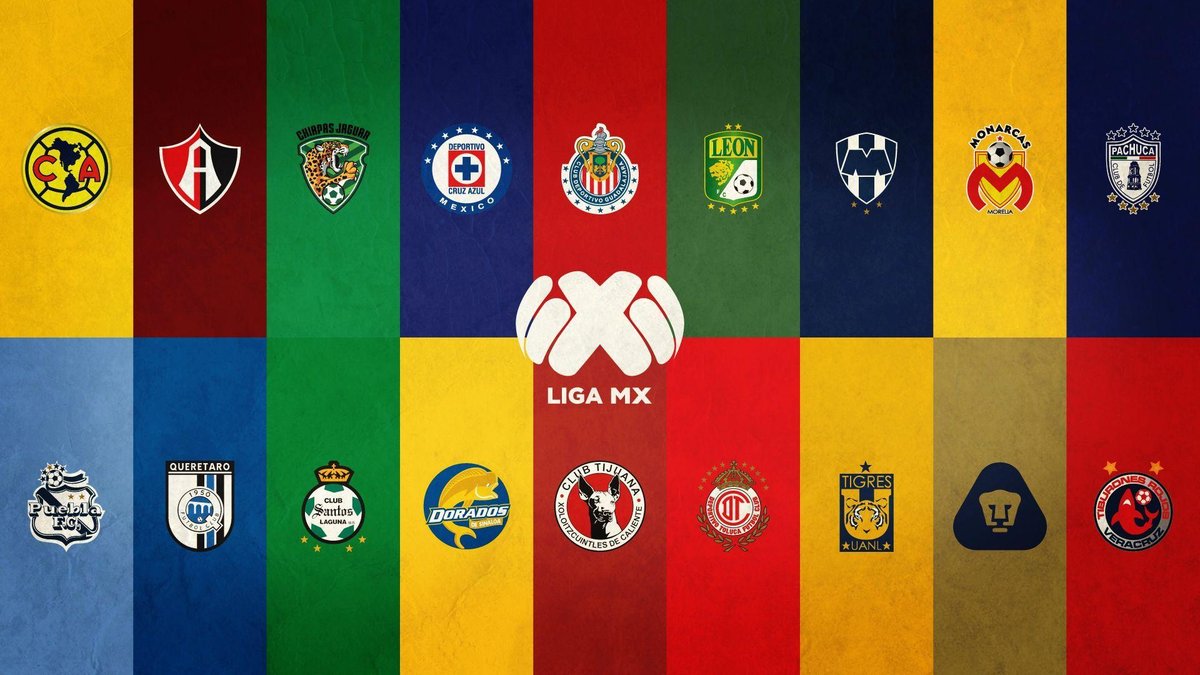
The roar of the crowd, the intricate footwork, the heart-stopping goals – Liga MX delivers a brand of soccer that’s uniquely passionate and utterly unpredictable. But for every stunning bicicleta or crucial penalty save, there's a vital story unfolding in the numbers: the Liga MX League Updates & Standings. Keeping track isn't just about knowing who's winning; it's about understanding the high-stakes dance for playoff berths, continental qualification, and, yes, even avoiding the dreaded relegation battle.
This isn't just a guide to raw numbers. We’re diving into the strategic nuances, the underlying narratives, and the very best ways to stay informed, ensuring you’re always ahead of the curve as Mexico's top flight unfolds. Whether you're a seasoned fanatic or a curious newcomer, you'll gain the insights needed to truly appreciate every twist and turn of the season.
At a Glance: Your Quick Guide to Liga MX Standings
- Two Seasons, One Year: Liga MX operates with two separate short seasons, Apertura (opening) and Clausura (closing), each with its own champion.
- Playoffs are Key: The regular season standings determine qualification for the "Liguilla" playoffs, which decide the ultimate champion.
- Top 6 Guarantee, 7-10 Fight: The top six teams after the regular season advance directly to the Liguilla quarterfinals. Teams ranked 7th through 10th compete in a play-in round for the final two spots.
- Points, Not Just Wins: Teams earn 3 points for a win, 1 for a draw, and 0 for a loss. Total points are the primary determinant of rank.
- Goal Difference Matters: In case of a tie in points, goal difference (goals scored minus goals conceded) is the first tie-breaker.
- Real-Time Tracking is Essential: Standings can shift dramatically, sometimes in real-time during matches, making reliable sources crucial.
- Relegation is Back (Soon): While currently paused, promotion/relegation is a significant long-term factor tied to overall performance across multiple seasons.
Unpacking the Liga MX Format: Apertura and Clausura Explained
Before you can truly appreciate the standings, you need to grasp the unique rhythm of Liga MX. Unlike most major European leagues, Mexico doesn't crown a single champion over a long, continuous season. Instead, the year is divided into two distinct tournaments: the Apertura (meaning "opening" in Spanish), typically running from July to December, and the Clausura (meaning "closing"), from January to May.
Each tournament is a self-contained race. Teams play each other once during the 17-game regular season for both Apertura and Clausura. Points accumulated in one tournament do not carry over to the next for championship purposes. This dual-season format means there are two opportunities for glory each year, adding a constant sense of urgency and often leading to different teams excelling in different halves of the calendar. It also means you’re always reset and ready for a fresh narrative, which keeps the excitement consistently high.
Decoding the Numbers: What Each Column in the Standings Means
When you pull up the Liga MX standings on your favorite sports site, you’ll see a grid of numbers that, at first glance, might seem overwhelming. But each column tells a crucial part of a team's story. Let's break down the typical layout you’d find on platforms like Soccerway or Fox Sports.
Here’s a common breakdown:
- POS (Position): This is the team’s current rank in the league table. The higher the number (e.g., 1st), the better their standing.
- TEAM: The club's name.
- GP (Games Played): The total number of matches the team has contested in the current tournament (Apertura or Clausura).
- W (Wins): The number of matches the team has won. Each win earns 3 points.
- D (Draws): The number of matches that ended in a tie. Each draw earns 1 point.
- L (Losses): The number of matches the team has lost. Losses earn 0 points.
- GF (Goals For): The total number of goals the team has scored throughout the season. A high GF indicates a potent offense.
- GA (Goals Against): The total number of goals the team has conceded. A low GA usually points to a strong defense.
- GD (Goal Difference): Calculated by subtracting Goals Against (GA) from Goals For (GF). This is a critical tie-breaker. A positive GD means a team has scored more goals than they’ve conceded, while a negative GD indicates the opposite.
- PTS (Points): The total number of points accumulated from wins and draws. This is the primary metric for ranking teams in the standings.
Why Goal Difference Isn't Just a Side Note
While points are king, Goal Difference (GD) is far from trivial. When two or more teams are tied on points at the end of the regular season, GD is the first tie-breaker to determine their final positions. Imagine two teams, both with 28 points. Team A has a GD of +10, while Team B has a GD of +5. Team A will be ranked higher. This can be the difference between a direct quarterfinal spot, a play-in game, or missing the Liguilla entirely.
So, while a team might scrape by with a 1-0 win, a 4-0 thrashing against a weaker opponent can be just as, if not more, valuable in the long run for their playoff aspirations. It's why teams often don't take their foot off the gas even when leading comfortably.
The Road to Glory: How Standings Fuel the Liguilla Playoff Race
Liga MX’s true drama unfolds in the Liguilla, the exciting playoff system that determines the champion of each tournament. The regular season standings are simply the qualifying round for this knockout spectacle. Understanding the Liguilla format is crucial to interpreting the importance of every point and every position.
Here’s how it generally works:
- Top Six Direct to Quarterfinals: The teams finishing 1st through 6th in the regular season standings automatically secure a spot in the Liguilla quarterfinals. These teams earn valuable rest and direct entry, avoiding the uncertainty of the play-in.
- The Play-In Tournament (Positions 7-10): This is where it gets interesting and highly competitive. Teams finishing 7th, 8th, 9th, and 10th enter a mini-tournament to determine the final two quarterfinalists.
- Match A: 7th place hosts 8th place. The winner advances to the quarterfinals.
- Match B: 9th place hosts 10th place. The loser is eliminated.
- Match C: The loser of Match A hosts the winner of Match B. The winner of this match takes the final quarterfinal spot.
This play-in structure means that even a team scraping into 10th place has a legitimate shot at lifting the trophy. It keeps many more teams engaged and fighting for points deep into the regular season, intensifying every matchday. The implications are profound: a single point can mean the difference between a guaranteed quarterfinal berth and a perilous two-game play-in gauntlet.
Beyond the Scoreboard: Factors That Influence Standings Shifts
While points and goal difference are the empirical bedrock of the standings, a myriad of human and environmental factors constantly shape a team's trajectory. A savvy fan looks beyond just the W-L-D record to understand why a team is performing the way it is.
1. Form and Momentum: Riding the Hot Hand
Soccer is a game of streaks. A team on a "hot streak" can seem invincible, climbing the standings rapidly, while a "cold spell" can send even top contenders tumbling. Pay attention to a team’s last 5-10 games. Are they consistently winning, or are their recent results a mixed bag? Momentum can be a powerful, almost tangible, force heading into crucial matchups.
2. Injuries and Suspensions: Missing Key Pieces
The absence of a star striker, a commanding center-back, or a pivotal midfielder due to injury or yellow/red card accumulation can fundamentally alter a team's capabilities. Depth is crucial in Liga MX, and clubs that can weather these absences tend to maintain consistency in the standings. Always check injury reports and suspension lists before matchday.
3. Managerial Changes: A Double-Edged Sword
A struggling team often looks to a new coach for a spark. Sometimes, this "new manager bounce" provides immediate results, revitalizing players and leading to a surge in the standings. Other times, it can take weeks or months for a new philosophy to take hold, potentially causing further instability. It's a high-stakes gamble with direct implications for league position.
4. Home-Field Advantage: The Unseen Player
Playing at home in Liga MX, especially at high-altitude venues like Estadio Azteca or Estadio Olímpico Universitario, provides a distinct advantage. The passionate home crowd, familiarity with the pitch, and reduced travel fatigue often translate into better performances. Teams typically earn more points at home than away, and this disparity can be a significant factor in their overall standing.
5. Schedule Strength and Depth: The Gauntlet
Not all schedules are created equal. A team might look strong early in the season, but if they face a string of top-tier opponents in quick succession, their standing could dip. Conversely, a lighter schedule can offer an opportunity to rack up points. Similarly, teams competing in continental competitions (like Concacaf Champions Cup) might suffer from fixture congestion, impacting their domestic league performance. This is where squad depth becomes paramount.
6. Rivalry Matches: Points with Added Emotion
Derbies and rivalry games often transcend form and standings. A team struggling might find extra motivation to pull off an upset against their arch-rival, potentially disrupting the standings. These matches are high-intensity affairs where anything can happen, and the points gained or lost often carry greater weight. For instance, matches featuring historic clubs and their heated rivalries can be pivotal for the entire season. You can often see the passion boil over when you Explore the Monterrey Atlas rivalry for some prime examples of this intensity.
Your Go-To Sources for Real-Time Liga MX Updates & Standings
In a league as dynamic as Liga MX, having reliable, real-time access to the latest standings and updates is non-negotiable. Waiting for the morning paper just won't cut it when playoff spots are decided by goal difference in the 90th minute.
Here are the best ways to stay perfectly informed:
- Official Liga MX Website: The most authoritative source. It provides official standings, schedules, results, and often detailed match statistics. While sometimes not the quickest for live updates, it's the gold standard for verified information.
- Major Sports Networks (e.g., Fox Sports): As highlighted in our research, platforms like Fox Sports are excellent. They often feature "LIVE STANDINGS" that update in real-time as games are being played. The note, "Team is currently playing," is a fantastic feature, letting you know the numbers you're seeing are actively fluctuating. This is invaluable during multi-game matchdays.
- Dedicated Soccer Statistics Sites (e.g., Soccerway): Sites like Soccerway (as referenced in our ground truth) are meticulously updated and offer detailed information beyond just standings, including historical data, head-to-head records, and in-depth match reports. They are a treasure trove for stats enthusiasts.
- Sports News Apps & Notifications: Most major sports apps (ESPN, Fox Sports, CBS Sports, etc.) allow you to follow Liga MX specifically. You can often set up notifications for your favorite teams, getting instant alerts for goals, red cards, and final scores, which directly impacts the live standings.
- Social Media (Official Club Accounts & Journalists): Following official Liga MX clubs, the league's official accounts, and reputable soccer journalists on platforms like X (formerly Twitter) can provide immediate news, transfer rumors, injury updates, and live commentary that contextualizes the numbers. Be discerning, though, and stick to verified sources.
Pro Tip: Combine sources! Use a real-time updating site like Fox Sports for live games, cross-reference with Soccerway for detailed stats, and follow a few trusted journalists for breaking news and expert analysis.
Common Misconceptions About Liga MX Standings and Playoff Hopes
Even seasoned fans can sometimes fall prey to common misinterpretations of the Liga MX system. Dispelling these myths will give you a clearer perspective on the true state of the league.
- Misconception 1: "Only the top six teams matter at the end."
- Reality: This couldn't be further from the truth. The introduction of the play-in tournament for spots 7-10 means that a team finishing as low as 10th still has a legitimate pathway to the Liguilla quarterfinals. This keeps many more teams in contention until the very last matchday, intensifying the fight in the mid-table.
- Misconception 2: "The regular season champion is the 'real' champion."
- Reality: While finishing first in the regular season (known as the superlíder) is an achievement, it doesn't guarantee the Liguilla trophy. In fact, many regular season leaders have stumbled in the playoffs. The Liguilla is a brutal knockout tournament, and anything can happen. The "real" champion is the team that lifts the Liguilla trophy.
- Misconception 3: "Goal difference is only relevant if teams are tied on points."
- Reality: While GD is primarily a tie-breaker, teams are often aware of their GD throughout the season. Towards the end of the regular season, if two teams are close in points and fighting for a direct qualification spot or a better seed, every goal scored and conceded can matter immensely. A team might push for an extra goal in a match they're already winning just to boost their GD.
- Misconception 4: "Teams that start strong always finish strong."
- Reality: Liga MX seasons are short and intense, but momentum can shift dramatically. Teams that start with a flurry of wins can often hit a slump due to injuries, fatigue, or tactical issues. Conversely, teams that start slowly can find their stride in the middle or late stages of the season, making a powerful surge up the standings. Never count a team out too early, nor crown them too soon.
The Long Shadow of Relegation (and Its Current Pause)
Historically, Liga MX had a promotion and relegation system, adding another layer of drama and consequence to the standings. The worst-performing team over a multi-season coefficient calculation would drop to Liga de Expansión MX, while the champion of that league would be promoted.
Currently, this system is on pause. However, it's important context for understanding the league's past and potential future. While there's no immediate threat of relegation, teams still accumulate a "relegation quotient" (often called "cociente") over three years. Instead of being relegated, teams at the bottom of this cociente table face substantial financial penalties. This still incentivizes consistent performance over multiple seasons, even without the immediate threat of dropping a division. The talk of bringing back full promotion/relegation is constant, and if it returns, it will fundamentally change how teams approach every match and how fans view the Liga MX standings.
Crafting Your Own Narrative: A Fan’s Guide to Analyzing the Standings
Beyond simply absorbing the information, a true Liga MX enthusiast actively engages with the standings. Here’s how you can develop your own analytical edge:
- Focus on Form Trends: Don't just look at the current position. Look at the last five games. Are they trending up, down, or flat? A team at 7th on a three-game winning streak might be more dangerous than a team at 5th who has drawn two and lost one.
- Analyze Upcoming Fixtures: Look at a team’s next 3-5 opponents. Are they facing direct rivals, teams at the bottom, or a mixed bag? A tough run of games can test a team's depth and resolve.
- Consider Home vs. Away Performance: Some teams are fortress-like at home but struggle on the road. Others are more consistent regardless of venue. Use statistics on home and away points gained to inform your expectations for upcoming matches.
- Squad Depth and International Breaks: Keep an eye on which teams have players called up for international duty. This can deplete squads and impact performance upon their return, especially if there's significant travel involved. Teams with deeper benches are better equipped to handle these periods.
- Head-to-Head Records: While less impactful than current form, a team might have a psychological edge or a tactical blueprint that historically works well against a specific opponent. This can sometimes defy current league positions.
- The "Must-Win" Factor: As the season nears its end, matches take on greater significance. A team fighting for its Liguilla life will play with a different intensity than one comfortably in the playoffs. This desperation can lead to unexpected results.
By actively considering these factors, you move from passively viewing the standings to becoming a more informed and engaged observer, capable of predicting shifts and appreciating the strategic chess match unfolding each week.
Your Game Plan for a Thrilling Liga MX Season
Following Liga MX League Updates & Standings is more than just tracking numbers; it's about immersing yourself in the drama, the passion, and the tactical battles that define Mexican football. Each point gained, each goal scored, each draw secured, plays a part in the unfolding narrative of who will contend for glory.
To make the most of your experience:
- Bookmark Your Key Sources: Keep the official Liga MX site, Fox Sports, and Soccerway handy. Check them frequently, especially on matchdays.
- Follow a Few Key Teams: While it’s fun to track the whole league, focusing on 2-3 teams will help you internalize their journey, understand their tactical nuances, and appreciate their specific challenges and triumphs.
- Engage with the Community: Join online forums, social media discussions, or local fan groups. Sharing insights and discussing matches enriches the experience exponentially.
- Embrace the Unpredictability: This isn't a league where the richest team always wins. Upsets are common, and the Liguilla is designed for maximum drama. Lean into it!
So, gear up, stay informed, and enjoy the beautiful, chaotic, and utterly compelling world of Liga MX. The standings are merely the scorecard, but the stories they tell are what make every season unforgettable.